
Construction Technology · Contech
Why Cheaper Concrete Can Cost More in Highway Works
A cheaper concrete mix can look like the right decision at tender stage, especially on a highway drainage upgrade where budgets are tight and the program needs to move quickly. The purchase line...
A cheaper concrete mix can look like the right decision at tender stage, especially on a highway drainage upgrade where budgets are tight and the program needs to move quickly. The purchase line is easy to compare, and in many cases it is the first number that gets attention. But for civil works, the first cost is only one part of the decision.
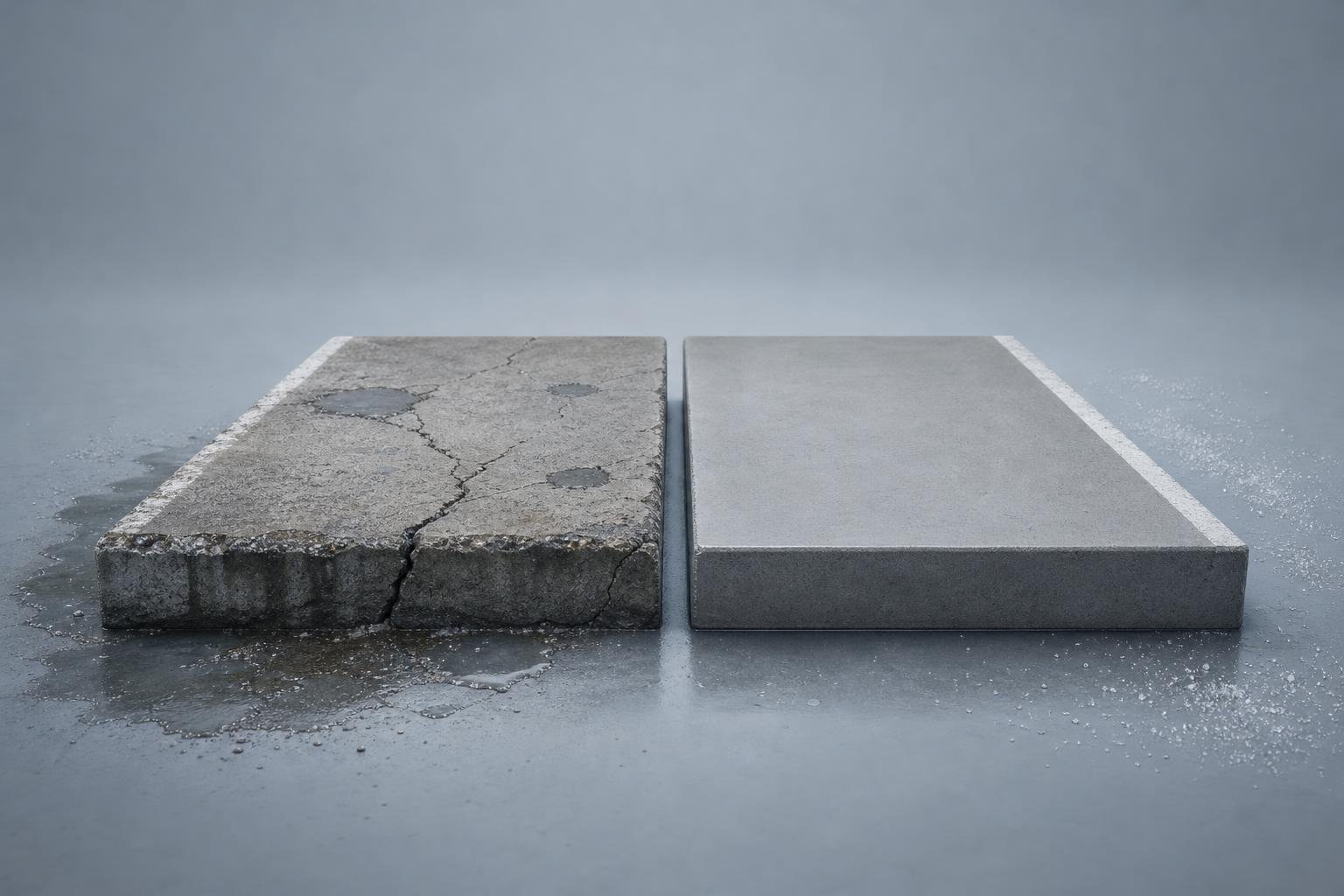
When the asset is expected to stay wet, take traffic spray, and face de-icing salts, the real question becomes durability. A mix that appears economical on day one can become expensive if it begins to crack at the edges earlier than planned. Once deterioration starts, the project does not only inherit repair costs. It also inherits disruption, lane closures, and the operational burden of bringing the asset back into service.
What tender-stage pricing can hide
At tender stage, a lower-cost concrete option may seem to solve an immediate budget problem. Yet the true trade-off is not simply material price versus material price. It is service life versus repair cycle. If a slightly better mix, more cover, or better detailing delays patching, then the higher upfront cost may be justified by fewer interventions later.
That is especially relevant in drainage upgrades and highway environments, where exposure conditions are rarely forgiving. Water, spray, and salts can work together over time and push the surface toward early distress. The result is often visible first at the edges, where cracking can begin before maintenance teams expected to intervene.
Why durability belongs in the cost model
For infrastructure developers and project managers, the useful comparison is not only what the concrete costs to place. It is what the asset costs to own and operate over its life. That means comparing service life, disruption, and repair intervals, not just the purchase line.
This approach changes the conversation from lowest bid to best long-term value. It asks a straightforward question: if a modest increase in mix quality or detailing postpones the first repair cycle, does that higher upfront cost actually reduce total cost over the life of the asset? In many cases, that is where the better decision becomes clear.
At Braincrete, we view durability as a practical design and delivery issue, not an abstract preference. A sound specification should help the asset resist the conditions it will actually face in service. For teams planning highway drainage works, that means considering the environment the structure will live in, not only the price sheet that gets it built.
The decision we should test before award
Before a contract is awarded, we should test the trade-off that matters most: what saves money today versus what saves money over the asset’s life. A cheaper mix may reduce the tender value, but if it shortens the period before patching, maintenance access, and lane closures begin, the project may pay more later.
That is why durability deserves a place in procurement discussions from the start. The goal is not to buy the most expensive option. The goal is to avoid buying the cheapest part and paying for it again later.
For more on how Braincrete approaches durable infrastructure decisions, visit Braincrete. For teams evaluating long-term performance in civil works, our perspective is simple: durability is not an add-on, it is part of the economics.