
Construction Technology · Contech
Why Durability Outperforms Cheap Materials
In civil infrastructure, the lowest upfront price rarely delivers the best outcome. What appears economical at procurement can become expensive after handover when materials begin to crack,...
In civil infrastructure, the lowest upfront price rarely delivers the best outcome. What appears economical at procurement can become expensive after handover when materials begin to crack, corrode, wear out, or demand repeated intervention. At Braincrete, we see durability as a design principle, not an optional upgrade.
Infrastructure is expected to perform under load, weather, time, and operational demand. When materials are selected only for short-term savings, the result is often rework, downtime, and higher total cost over the asset lifecycle. That is why our approach focuses on lifecycle value: structural reliability, lower maintenance burden, and long service life.
Lifecycle value matters more than initial cost
Project decisions are often made under pressure to control budget. That pressure is real, but it should not override long-term performance. A material that is inexpensive at installation can become costly if it fails early or requires frequent repair. In civil works, these costs are not limited to replacement materials. They also include labor, access constraints, service disruption, and the operational impact of repeated maintenance.
Durable infrastructure reduces those risks. It supports predictable performance and helps project owners protect value long after construction is complete. For civil engineers and infrastructure developers, this is not just a technical preference; it is a project outcome that influences resilience, reliability, and asset stewardship.
Designing for structural reliability
Structural reliability begins with choosing materials and systems that can withstand the conditions they will face over time. Our focus is on resilient infrastructure that is built to last, not merely to pass initial inspection. When a structure is designed with longevity in mind, it is better positioned to resist deterioration and maintain function across its service life.
This perspective changes how projects are evaluated. Instead of asking only what is cheapest today, we ask what will perform best over the full life of the asset. That shift leads to better decisions, fewer interventions, and stronger outcomes for owners, operators, and end users.
Lower maintenance, fewer disruptions
Maintenance is part of infrastructure ownership, but the goal should be to reduce avoidable maintenance. Materials that degrade early create recurring work and interrupt operations. In active civil environments, those interruptions can affect schedules, budgets, and service continuity.
By prioritizing durability, we help reduce the frequency of repair and the burden of ongoing upkeep. That means fewer surprises after handover and a more stable operating profile for the asset. For project managers, this translates into clearer long-term planning. For developers, it supports stronger lifecycle economics.
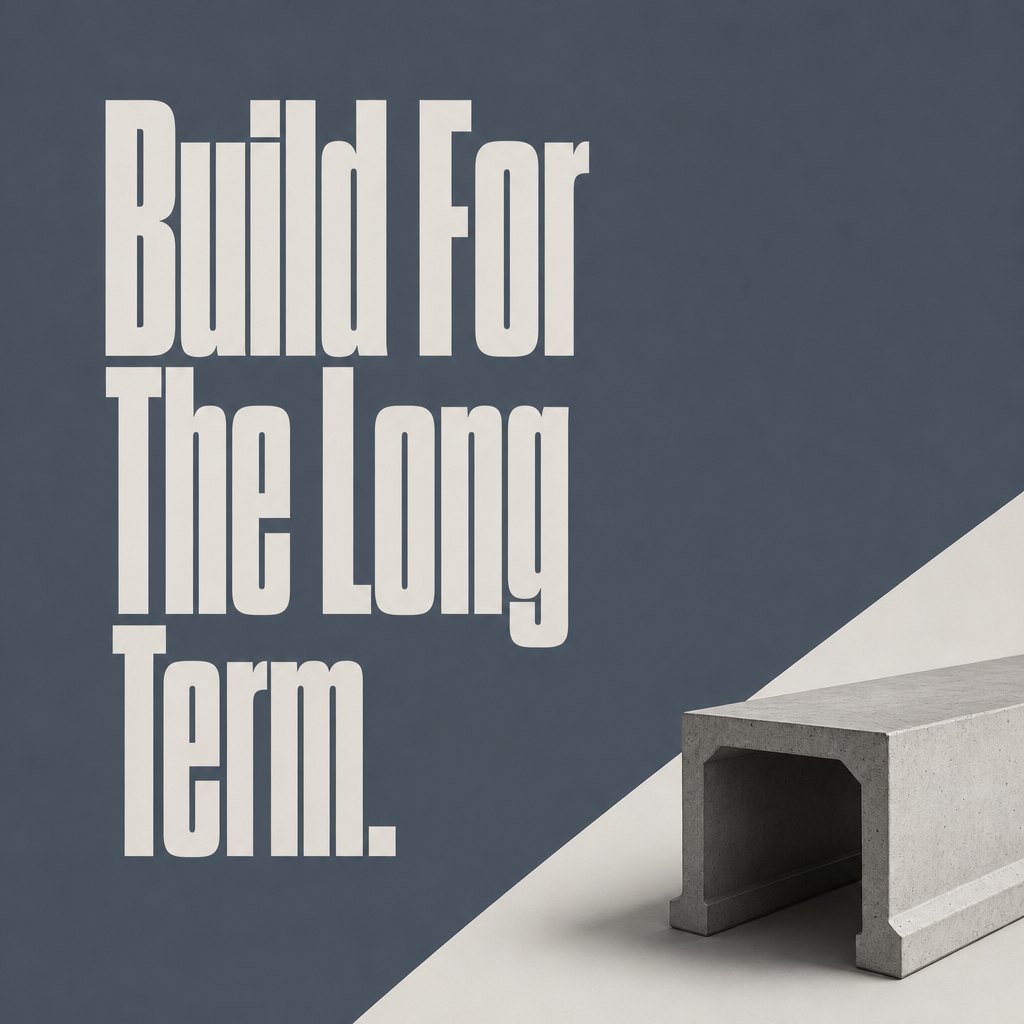
Build for the long term
Durability is not a compromise. It is a disciplined approach to infrastructure delivery. When we build for the long term, we build with confidence in performance, maintenance efficiency, and service life. That is the standard we apply at Braincrete.
We design resilient infrastructure to last because civil assets should serve communities for years, not create avoidable costs after completion. Explore our approach to durable infrastructure at Braincrete and see how lifecycle thinking shapes better outcomes for civil projects.
For teams planning infrastructure that must endure, the message is simple: durability beats cheap materials. The best value is not found in the lowest initial cost, but in the structure that performs reliably over time. Learn more about our work at our website.